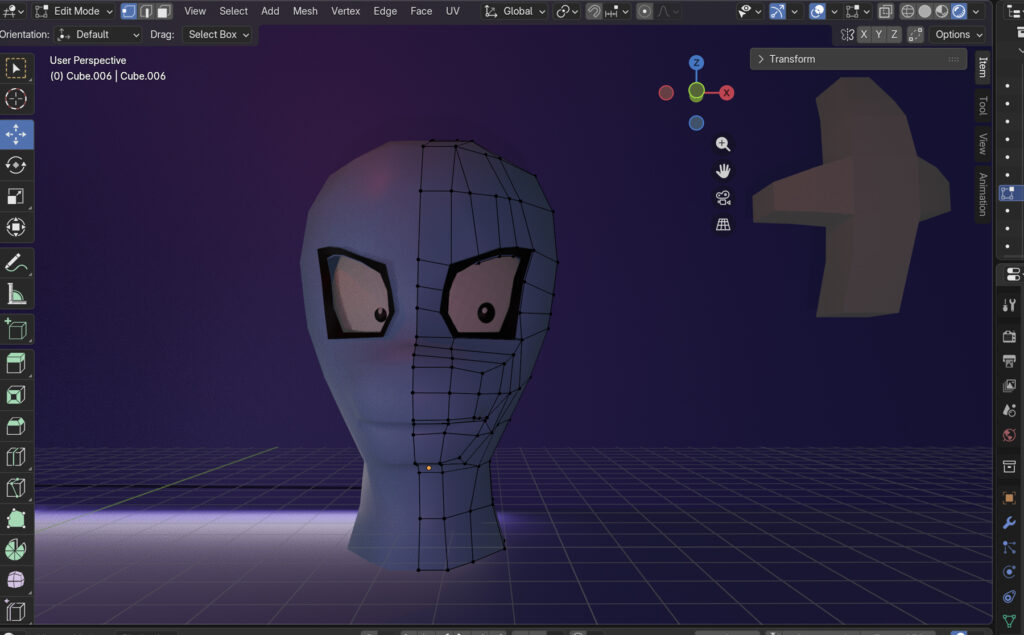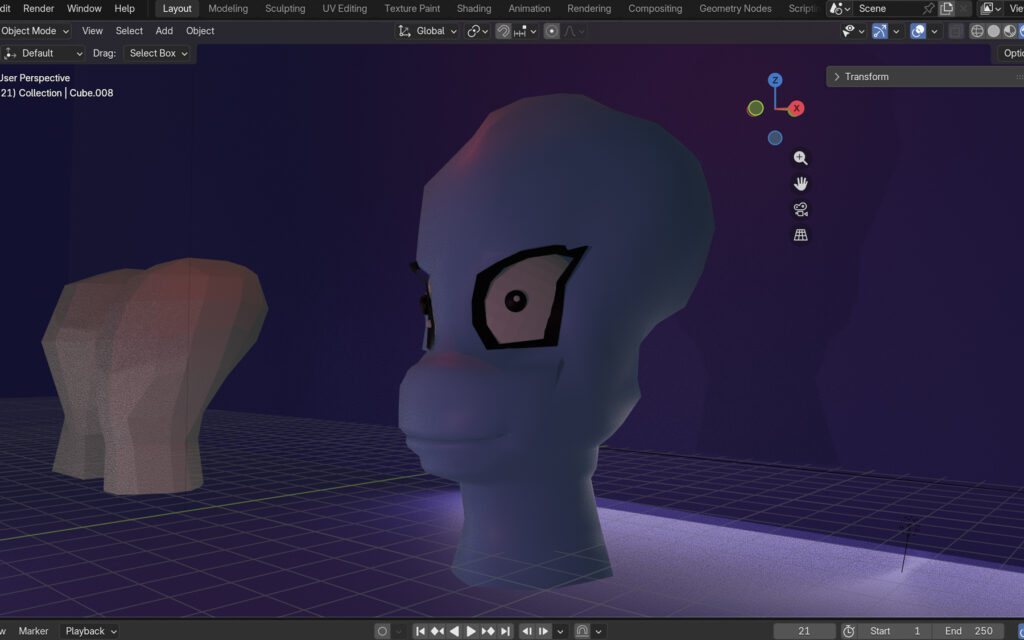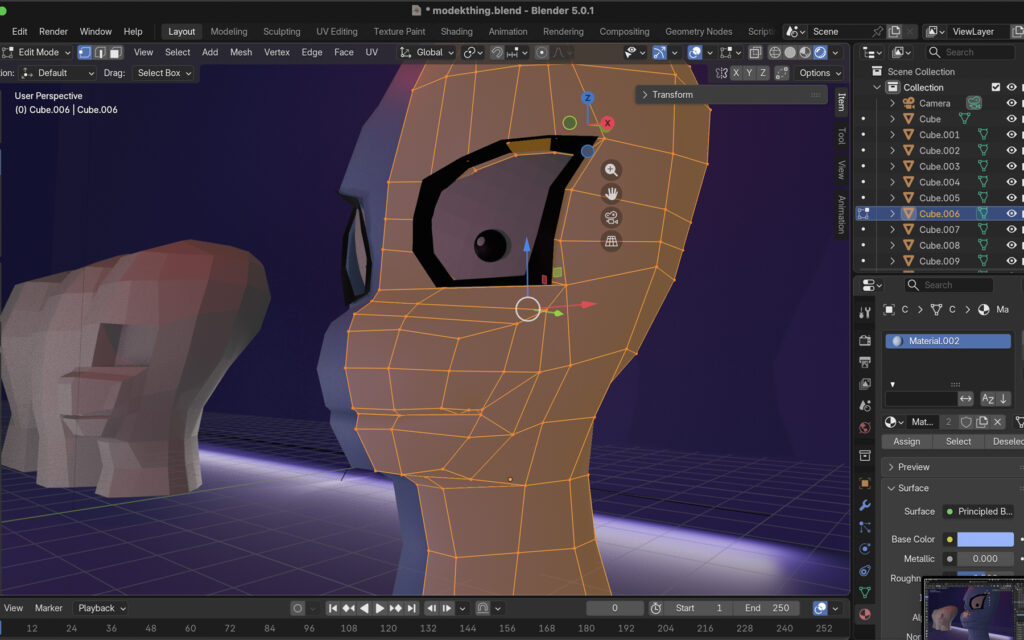
The garage thinking and practice space for all design and production ideas.
Computer Vision (CV) 3D Model Design
CV AI Model Development Practice
CV Image classification model
Exploring the world of Computer Vision. A technology which acts as the eyes and brain for autonomous machines in the effort to safely navigate and interact with the physical world.
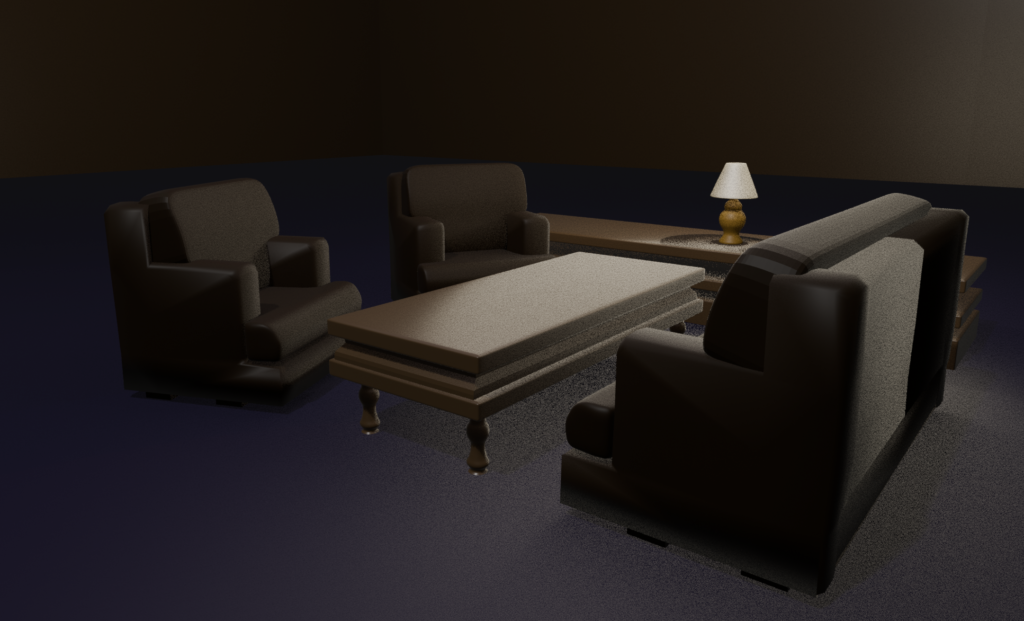
This visual workflow I’ve created will serve as the guide for setting up the script that trains a robot to instantly identify interior furniture and structural elements, like chairs, tables, lamps, and counters.
Install
from datasets import load_dataset
dataset = load_dataset(“imagefolder”, data_dir=”/content/guitars”)
dataset = dataset[“train”].train_test_split(test_size=0.2, seed=42, stratify_by_column=”label”)
temp = dataset[“test”].train_test_split(test_size=0.5, seed=42, stratify_by_column=”label”)
from datasets import DatasetDict
dataset = DatasetDict({
“train”: dataset[“train”],
“validation”: temp[“train”],
“test”: temp[“test”]
})
print(dataset)
Load Model + Processor
Choose pretrained model
model_checkpoint = “google/vit-base-patch16-224”
# Build label mappings from your dataset
labels = dataset[“train”].features[“label”].names
label2id = {label: str(i) for i, label in enumerate(labels)}
id2label = {str(i): label for i, label in enumerate(labels)}
# Load the image processor (handles resizing/normalizing to match the model)
image_processor = AutoImageProcessor.from_pretrained(model_checkpoint)
# Load the pretrained model, replacing its head for your number of classes
model = AutoModelForImageClassification.from_pretrained(
model_checkpoint,
num_labels=len(labels),
id2label=id2label,
label2id=label2id,
ignore_mismatched_sizes=True # needed since the classification head size changes
)
Third
component()
Fourth
component()
Next need to add the imports
3D Model Designs
Lounge Chair Style One – Draft July 3, 2026
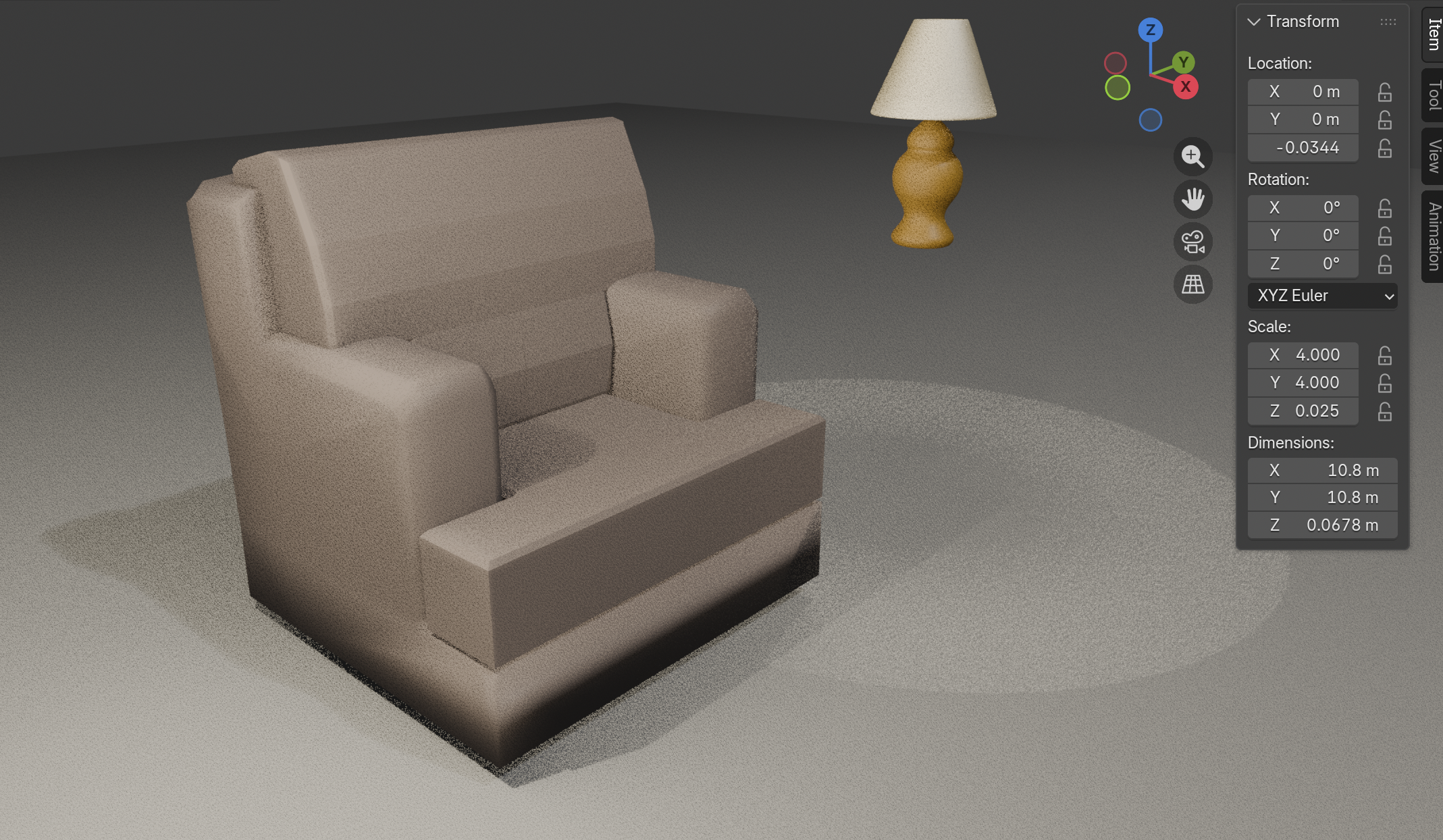
In Progress Pirate Planetesimal Character Models